- September 9, 2026
- By: Massey Ferguson Ghana
- in: Agricultural Machinery, Agriculture, Farm Equipment, Farming, Massey Ferguson Tractors, News

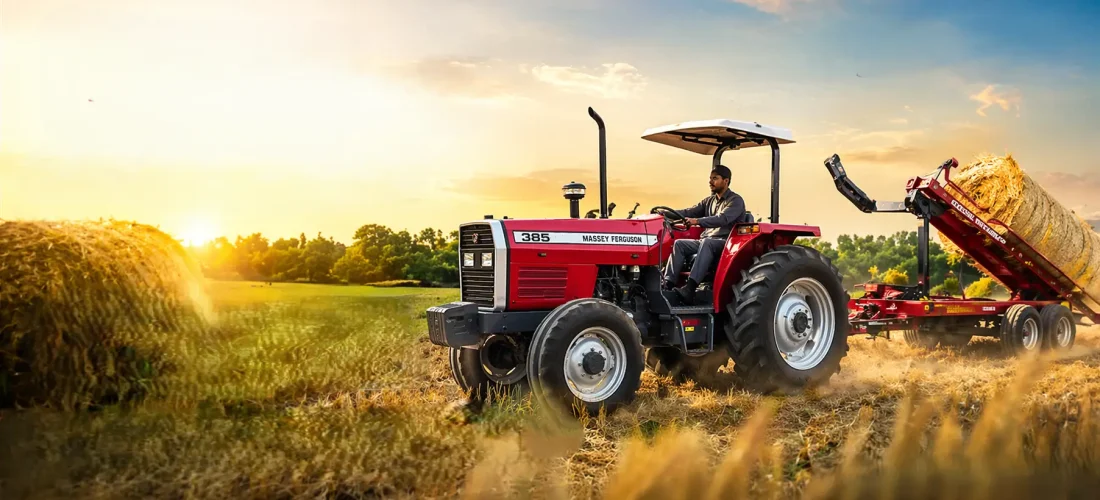
Agriculture drives Ghana’s economy. But to scale your operations and increase yields, you need reliable equipment. Importing a used tractor can save you significant capital while drastically boosting your farm’s productivity.
If you have never imported heavy machinery, the process might seem complex. This practical guide walks you through sourcing the right equipment, handling essential documentation, and clearing your new tractor at the port.
Your first step is finding a dependable machine that suits your farming needs. Look for reputable international dealers who specialise in agricultural equipment. You want a tractor with a solid service history and spare parts that are readily available in Ghana.
When evaluating used tractors, always request detailed photos, comprehensive maintenance logs, and a video of the engine running. Massey Ferguson tractors remain a top choice for Ghanaian farmers because they offer unmatched durability and simple maintenance for local soil conditions. Our range includes reconditioned Massey Ferguson models with various horsepower options, 2WD and 4WD capabilities, designed to meet the specific needs of different farming operations. Ensure you buy from a source that guarantees the mechanical soundness of the equipment.
Ensure you buy from a source that guarantees the mechanical soundness of the equipment.
Proper paperwork prevents costly delays at the border. Once you purchase your tractor, you must gather specific documents for shipping and customs clearance. Keep these records organised and ready:
Bill of Lading: This document acts as your official receipt and contract with the shipping company.
Commercial Invoice: This outlines the tractor’s exact purchase price, which customs officials use to calculate your import duties.
Inspection Certificate: This proves the tractor meets necessary safety and environmental standards before it leaves the country of origin.
Packing List: This details the exact specifications, weight, and any additional attachments shipped with the tractor.
Ghana enforces specific regulations for importing agricultural machinery. Fortunately, the government frequently provides duty exemptions or reduced tariffs on farming equipment to support local agriculture.
Despite these exemptions, you must still prepare to pay standard processing fees and statutory taxes, such as the Value Added Tax (VAT) and the National Health Insurance Levy (NHIL). We highly recommend hiring a licensed customs house agent (CHA). An experienced agent will ensure you classify your tractor correctly under the right harmonised system (HS) codes, helping you claim any available exemptions legally.
Most heavy agricultural machinery arrives at the Port of Tema or the Port of Takoradi. Once your tractor docks, the official clearing process begins.
Your agent will submit your documents through the Integrated Customs Management System (ICUMS).
Customs officials will assess the declared value and determine the final duties owed.
After you pay the required fees through an approved bank, officials will conduct a physical examination of the tractor.
Once cleared, customs will issue a release document, allowing you to transport the tractor directly to your agribusiness.
Importing a used tractor requires careful planning, but it delivers massive value to your agribusiness. By securing the correct documents and understanding local port procedures, you can upgrade your farm operations without unnecessary stress.

Post a Comment