- October 8, 2026
- By: Massey Ferguson Ghana
- in: Agricultural Machinery, Agriculture, Farm Equipment, Farming, Massey Ferguson Tractors

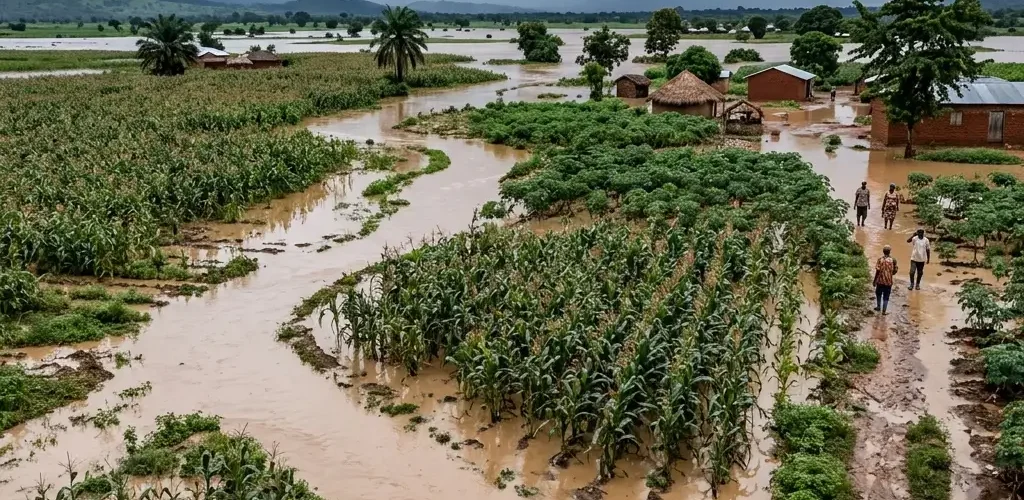
The catastrophic floods of 29 June 2026 have once again exposed how fragile farming in Ghana can be. Torrential rain dumped 140mm of water across Greater Accra, Central and Western regions in a single morning. At least 12 lives were lost, and more than 400 people were evacuated. Beyond the cities, the damage to farmland has been just as devastating — and far quieter.
If you farm in a flood-prone area, you already know the fear that comes when the water rises. This article looks at what these floods are doing to Ghana’s key crops, what they mean for your livelihood, and the practical steps you can take to protect against further losses.
Standing floodwater does more than soak your fields. It cuts off air to roots, spreads disease and drowns young plants before they can recover. The three crops most Ghanaian farmers depend on are suffering the hardest hits.
Maize: Just two to three days under water kills young maize plants and rots the roots. Fields flooded at planting or tasselling stage can be a total loss.
Rice: While rice tolerates some water, violent floods flatten plants, bury seedlings in silt and wash away fertiliser already applied.
Cassava: Waterlogged soil rots tubers underground. You may lose months of work without seeing the damage until harvest.
The timing hurts as much as the volume. A flood during this planting season forces costly replanting, while one near harvest destroys a crop you were about to sell.
When many farms flood at once, the effects ripple far beyond a single family. Fewer crops reach the market, food prices climb and communities that once fed themselves face shortages.
For you, this creates a hard cycle. A ruined harvest means less income, which makes it harder to buy seeds, fertiliser and equipment for the next season. Repeated floods can push families deeper into debt — and threaten the food supply the whole country relies on.
You cannot stop the rain, but you can prepare for it. These actions help you recover faster and guard against the next flood.
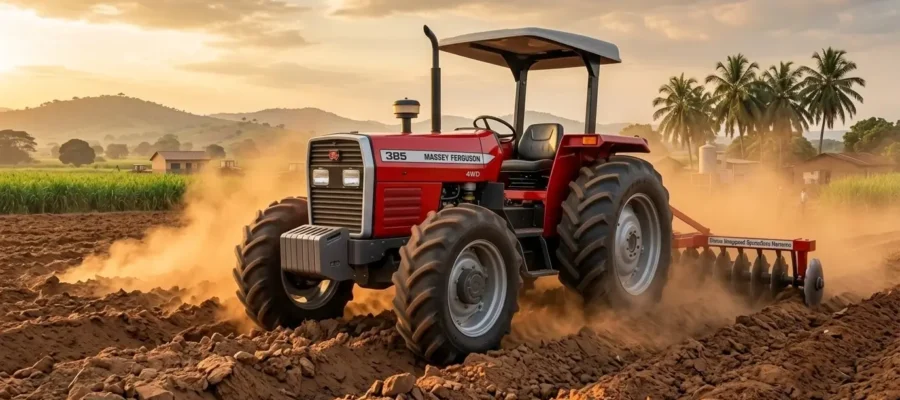
Improve drainage. Dig channels to guide water away from your fields. Tractor-mounted implements carve proper drainage lines quickly across large plots.
Plant on ridges. Ridging keeps roots above standing water. Tractor ridgers make this fast and even, saving hours of manual labour.
Prepare land quickly after floods. Use a tractor with a plough or harrow to break up compacted soil, restore structure and replant sooner.
Replant wisely. Choose flood-tolerant varieties and stagger planting so one flood cannot wipe out everything.
The June 2026 floods are a warning, not a one-off. As heavy rains become more frequent, flood readiness must become part of how every Ghanaian farmer plans ahead.
Start now, before the next downpour. With better drainage, smarter planting and the right tractors and farm implements, you can protect your land, recover faster and safeguard your harvest for seasons to come.


Post a Comment